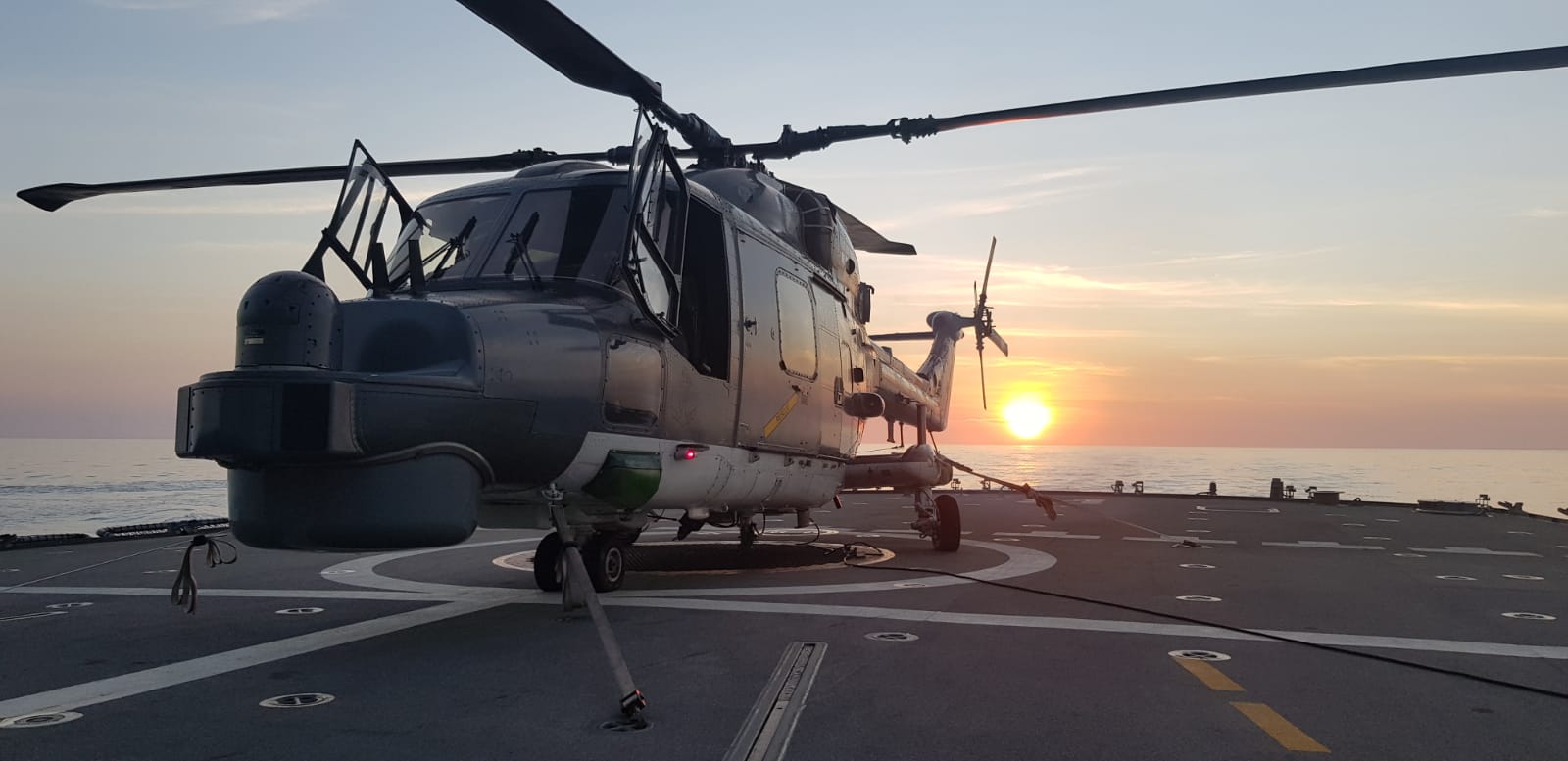
Reliability - your life may depend on it
The Gulf of Aden in 2010
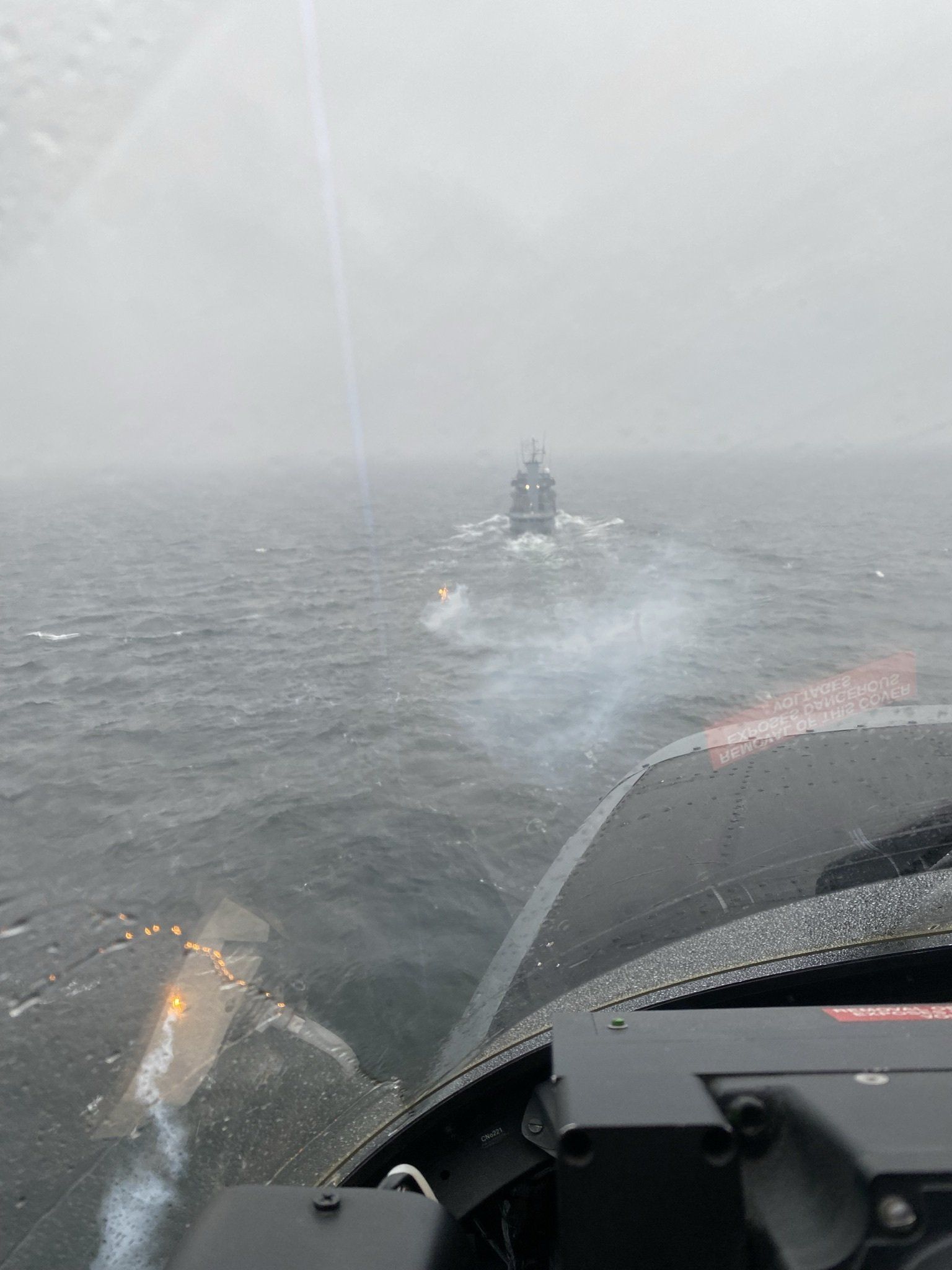
Reliability – Why It Is Indispensable in Cooperation and Leadership
It was one of those days when I came to appreciate the reliability of the teams I worked with.
The Gulf of Aden, 2010. We were on a morning flight looking for suspicious ship movements as part of the EU's anti-piracy mission – a mission we had carried out so many times before. The weather that day was, unfortunately, as so often at this time of year during monsoon season, rather mixed. It was rainy and the clouds were overcast. This kind of weather in the Gulf doesn't really make you want to go flying, and the probability of discovering pirate activities does not increase under these conditions either. Anyway, the mission was clear and the merchant ships relied on our presence for protection.
So in the early hours of the morning we went airborne – the technical term for taking off on a flight – and flew west along the Gulf of Aden. A good hour after take-off, not much had happened. We were focused on the mission and watching the air and sea space for anything that looked suspicious, when suddenly a strong smell of fire streamed through the cockpit. It smelled like scorching cable insulation – pungent; you may know this smell. It rises deep into your nose and makes you want to be sick. Now, a cable fire in the cockpit or anywhere in the aircraft is not the best news, no matter where you are in flight. A good 80 NM – about 150 km – away from the only safe landing site, our own ship, in the middle of the Gulf of Aden with Yemen on one side and Somalia on the other, this quickly develops into a delicate situation. Extinguishing a cable fire is a challenge even under normal conditions on the ground. The fire extinguisher we had on board was more like a toy given the task at hand. Somewhere behind the instrument panel – we didn't know exactly which cable was burning or where – something was going on, and we had better find it quickly. And of course, electricity flows through those cables, which powers systems on board the aircraft. At least most of the time.
So what to do?
The good thing about our flying was that we had solid emergency procedures for all sorts of emergencies.
The smell of cable fire grew stronger and you could slowly see smoke rising behind the instrument panel. Very bad. Action required.
Emergency procedures were applied, the checklist was taken out to verify that all necessary steps had been completed, and the flying pilot – in this case I was sitting on the left, responsible for navigation and radar – was given the rough heading towards mother, the technical term for your own ship with a landing deck. Off to mom. In the hope that the measures we had taken could contain the cable fire. That was far from certain at the time. We also did not know the exact position of our ship – it was too far away to be seen on our radar. And this is where we slowly get to the real subject.
We had to rely on the fact that mother would be at the planned and agreed position for our return, as discussed in the pre-flight briefing – the agreement between ship and helicopter before the flight about who does what, when, and where after the mission is complete.
What if not? What if mother was not exactly in the agreed position? What if mother was not reliable? Then our problem would quickly have become unmanageable. An emergency landing in Yemen was just as unattractive as one in Somalia – all four of us agreed on that.
The only option was to find mom. We had to rely on our skills and on our arrangements with the ship. Reliability became vital.
After many more minutes of flight – the weather still poor – we regained radio contact with our ship, made the obligatory emergency call, and once again relied on mom to come and get us. The childhood memories send their regards: mom will sort it out.
Fortunately, it seemed as though we had operated the right switches and taken the right measures to stop the scorching cable from developing into a full-blown fire. One less burden, we hoped.
Meanwhile, mother confirmed our emergency call and steamed towards us at full speed. Thirty minutes later we had her in sight and began our preparations for landing, which in this case were carried out more carefully and precisely than under normal circumstances. We still had to account for the worst. An engine failure during the approach due to the cable fire would have made our day.
The rest is history. We found ourselves safe on board after a smooth landing. We packed up our gear and cleaned up.
The tension eased and high fives were exchanged. Back for Tea and Medals, as we always said.
Of course, there is more to this story than just reliability – but let's stay with that for now.
In addition to our skill, our knowledge and the trust we had among us, reliability was a strong pillar of our cooperation. Imagine what would have happened had we been forced to worry about the ship not being there to pick us up. It would have consumed much, if not all, of the brain power we needed to fly the helicopter and complete the mission. The reliability of the ship and its crew saved our lives. Even at the start of the mission, it gave us the certainty that someone was there to look after us – someone we could count on. That gave us security and confidence. And that security and confidence allowed us to focus on our actual mission and task. We didn't have to worry about getting back on board safely because we knew mom would be exactly where she was supposed to be. Just like mom back in childhood – always reliable, always there. That gave us security as children and let us grow.
As simple as it may sound, reliability is key to trustworthy and efficient cooperation in teams and in leadership today. Because it provides the security to focus on the task at hand. Reliability allows trust to be gained, and trust creates the foundation for cooperation. When your colleagues and employees trust you, the effectiveness of the entire team increases, allowing high performance to emerge.
The principle is simple – and above all, it works. If we could build on reliability during those missions, why shouldn't we as leaders do the same in our everyday work with our teams? What reason is there to deny this to the people we work with?
From my point of view, reliability is indispensable in everyday business life and leadership – a cornerstone of good, trusting and goal-oriented cooperation.
Dear executives, leaders and managers: be reliable. Stand by your word, do what you say. Sometimes it is painful and not easy, but it gives everyone security. The less your employees and teams are burdened with uncertainty, the more brain power is available to focus on achieving their objectives. Reliability creates security and, with it, the space for the actual work to be done.
You can do it. It is worth a try.